There are four main construction methods for fabric: woven, knitted, bonded and felted. The most common method are woven and knitted which is put together using yarn. Fabrics behave differently depending on its structure and the type of yarn that is used.

WOVEN FABRIC
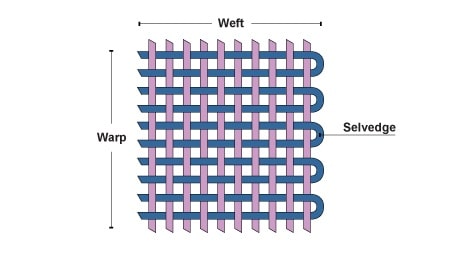
Weaving is basically yarn going over and under each other until the fabric is created. Using the computer, this is done on a machine operated loom. Weft are the threads that run across and warp are the threads that run down. The image above is showing a plain weave.


Twill weave is one of the weaving methods. It works by having 2 weft threads crossing over and under 2 warp threads, creating a diagonal pattern which makes the fabric stronger. Denim is one of the fabrics that is produced by twill weave method.

Sateen weave, as shown above, is when the weft threads goes under several warp threads then over one and the pattern continues. This weaving method creates a silky and glossy fabric due to the surface area that is created by the threads laying across the top.
:max_bytes(150000):strip_icc()/GettyImages-816508872-5bef47dd46e0fb0026d71c98.jpg)
When you cut woven fabrics, the ends would fray as shown in the image above. Therefore, there is a final step when finishing off the garment.

Hemming is one of the methods to finish off a garment.

The other method is called overlocking, as shown in the image above.

When working with fabrics, it is important to remember how the fabric works to position your garment templates. If you look closely enough, you would be able to see the weft threads and warp threads and the direction of where you should cut your clothes. The selvedge runs parallel to the warp threads, which shows you where the straight of grain is. The fabric should be cut on the straight of grain or else the fabric might lose its properties as it would not stretch the same way as how it would be if cut correctly.
KNITTED FABRIC


Knitted fabrics are constructed differently from woven fabrics. Knitting only uses one continuous yarn throughout the whole process, whereas woven uses two threads going under and over each other. As shown above, there is two kinds of knits. They are the single knitted fabric and double knitted fabric. Single knits fabric could be done on a machine or by hand. Double knits could only be done on a double bed machine which has two sets of needles to create the knits.
There are also several other kinds of knits that could create a different texture and pattern, for example, the rib knit.
WEFT KNITTED FABRICS
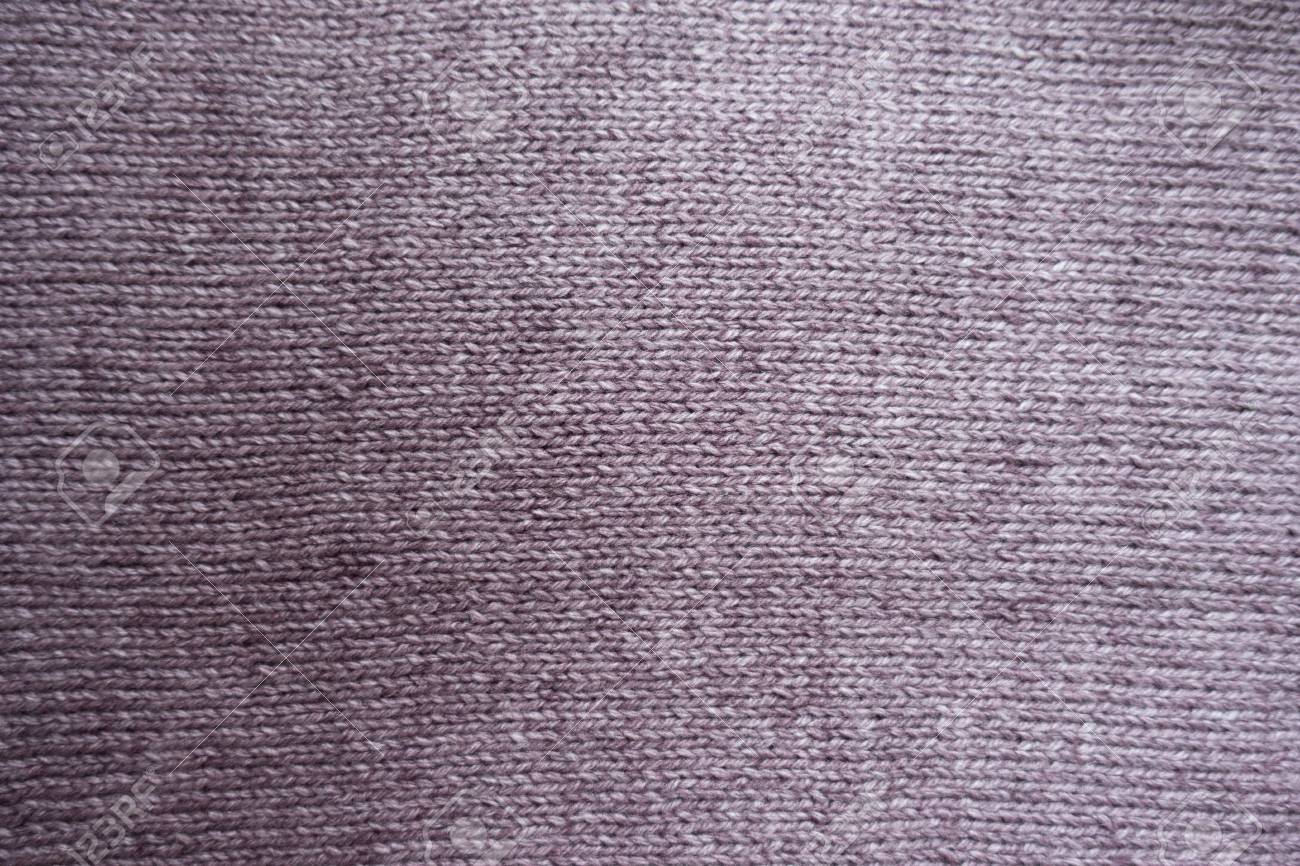
Weft knits generally have more stretch as the stitches runs across horizontally from the left to right. Due to the stretchiness, it is more comfortable to wear. Therefore, single jerseys knits are commonly used to make T-shirts, sportswear and underwear.
WARP KNITTED FABRICS

Warp knitting is when the yarn goes zig zag instead of across horizontally like the weft knit.

Warp knits are not as stretchy as weft knits and it is used to make very fine lightweight fabrics.
Knitted fabrics does not fray on the edge like woven fabrics most of the time. However, the hoops might unravel and that is why there is still a need to finish the last step off by hemming or overlocking the fabric when you are done.
MACHINES
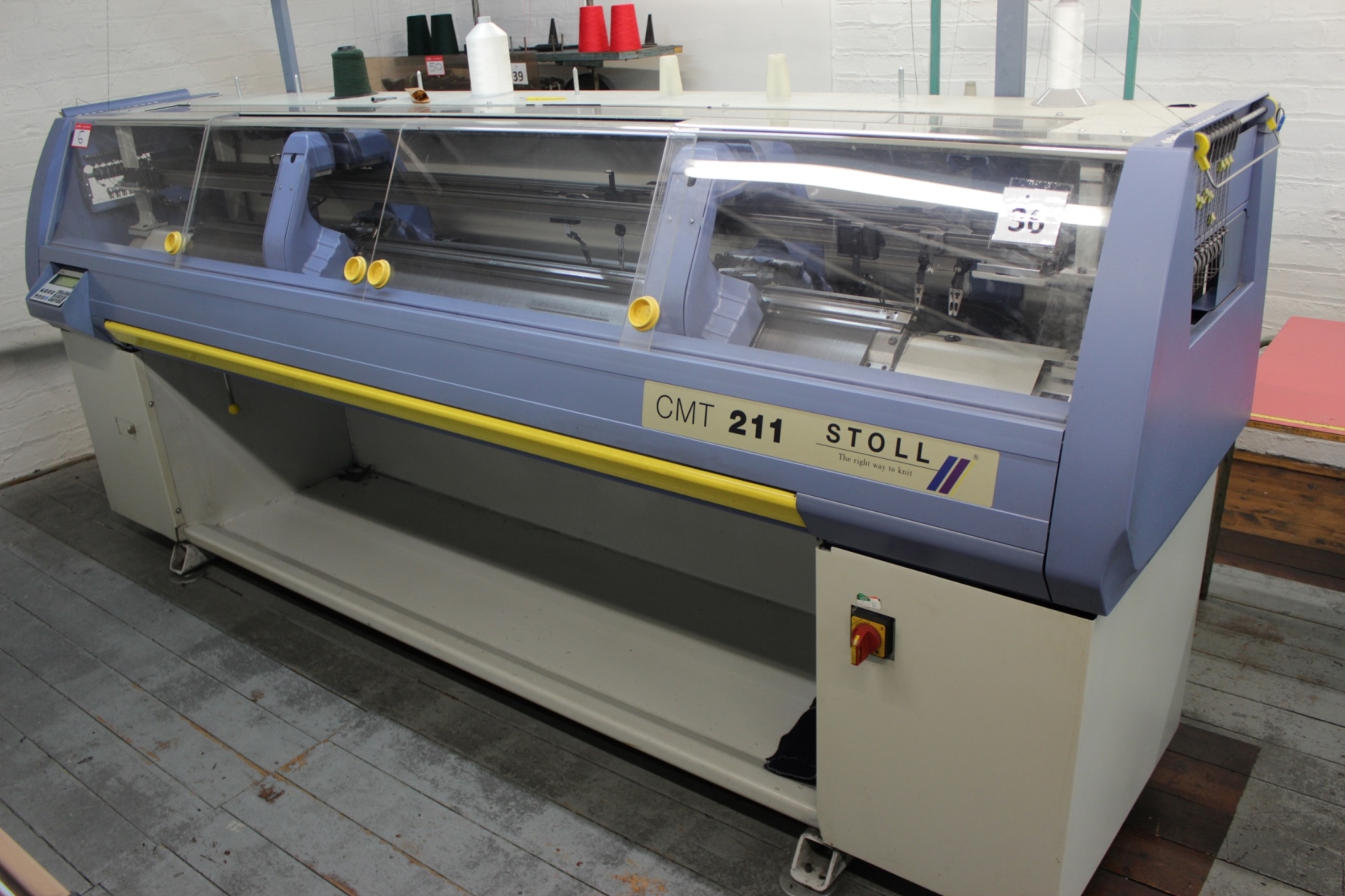
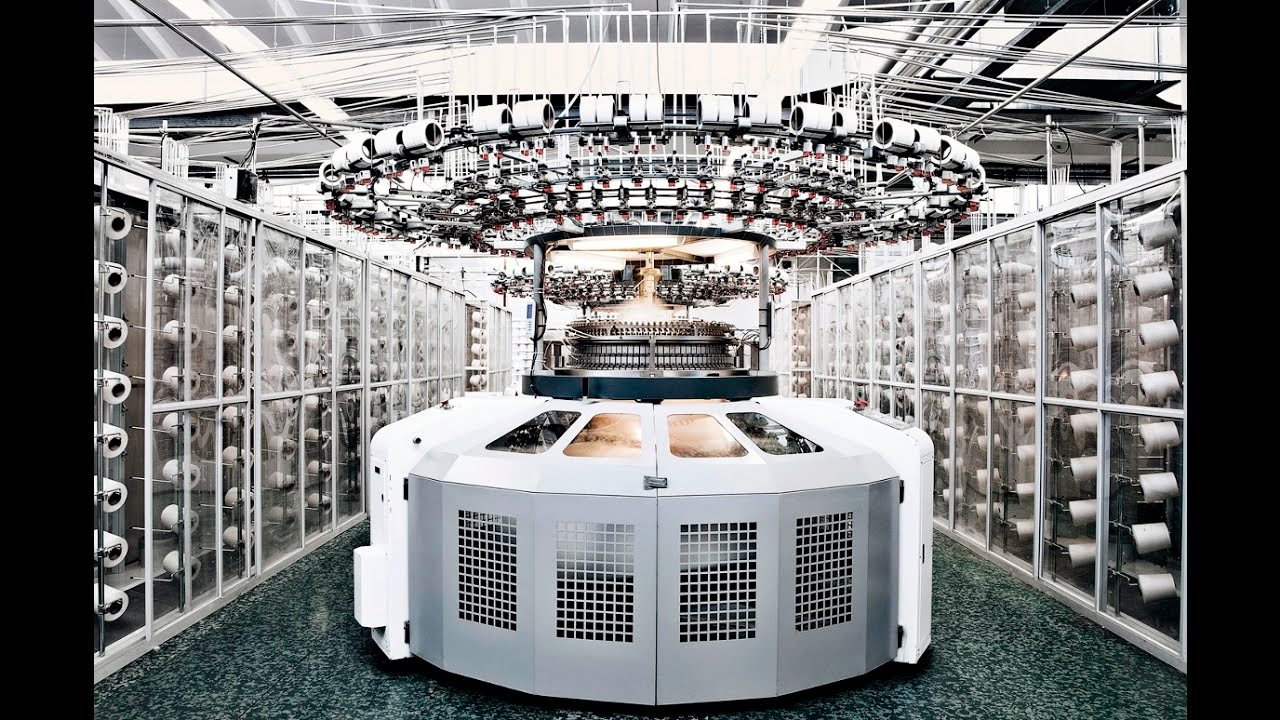
There are two kinds of knitting machines: flatbed and circular. Flatbed machines produces sheets of knitted fabric and circular machines produces fabrics in tubes.
FELTED FABRIC

Felted fabrics are usually made from wool and other animal fibres. It is a non-woven fabric that is made by matting fibres together through the use of moisture, heat and friction. They also could be moulded into different shapes through heat and do not fray.
BONDED FABRIC
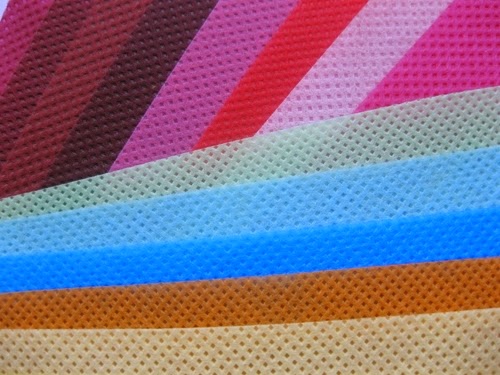


Above are some of the examples of bonded fabrics. Synthetic fibres are used to produce bonded fabrics such as iron on interlining. It is either made into a web where the fibres are going in different directions or being placed in one direction. The direction of the fibres would affect the stretchiness of the final fabric.
Other methods of bonding includes laminating two extremely thin layers of fabric together. Gore-tex is one of the fabric examples that is used for weather proof fabrics and synthetic leather.
RESEARCH ACTIVITY
Fabric that stretches:


These three products as shown in the images above: sports bra, leggings and swimsuit are examples of garments that requires the use of stretchy fabric to construct. Stretchiness is important for these products due to the breathability and comfort when the wearer are using them. For example, the swimsuit would have to fit like a glove and should be made of a light material or else when you get into the pool or any waters, it would affect the way you swim and the comfort of being inside the water. Therefore, stretchiness is extremely vital in this case.
DRAPE


Drape is basically the way a fabric hang or flow. It also refers to how rigid or fluid the fabric is. This would affect how it creases and falls. The above pictures shows how the two different fabrics hang differently. You could tell immediately that the green fabric is more rigid than the one of the left. Therefore, drapes are important when deciding what kind of fabric you would like to use. Materials like silk, satin and chiffon has very high drapes whereas materials like denim, corduroy and upholstery fabric are much stiffer and does not have much drape. When choosing your fabric, higher drape materials would be more suitable to make garments like blouse and dresses when you want the fabric to take the shape of your body and flow nicely instead of having stiffer materials.
TYPES OF WEAVE AND KNIT

Pile weave are constructed by the loom where the fibres would be ran over metal rods or wires so that the loops are created in the filaments. This would then create a pile fabric that is attached to the ground fabric, which is a foundation layer for the pile and binds the fabric all together. Some examples of pile weave fabrics are Velvet, Corduroy, Terry Towelling, Velveteen and Frieze.
Some properties of pile weave fabrics are plush, resilient, definite right or wrong side, versatile, lustrous, durable, different finishes could be achieved, absorbent, soft, warm to wear and comfortable.

Jacquard fabric is a type of fabric where intricate patterns are woven in the warp on a special mechanical loom. Jacquard fabrics could also be knitted, but it is more commonly woven. When jacquard fabrics are being made, the different fibres creates different compositions. For example, when using cotton in making Jacquard fabrics, it is soft, breathable and opaque which could be worn all year round. When using silk, it is smooth, glossy or dull, thin, semi-sheer or opaque, could be worn in spring or summer and could be worn on special occasions. When using wool, it is soft, cozy and opaque which is perfect for winter.
Shown above is a video on jacquard fabrics, which can be observed that the patterns really comes out of the surface and creates a really unique look. Here are some properties of jacquard fabrics: it is durable and stable, strong and resilient, wear- and wrinkle-resistant, pleasant to the touch, filled with decorative aesthetics.

Fair isle knitting is a technique used to trap more air to create warmth to the fabric. It is a specific kind of stranded knitting and is achieved by using two colours of yarn per row, and the yarn is only carried behind the work for a limited number of stitches. This creates layers and therefore trapping air to keep warm. It is also a lightweight fabric.

Intarsia knitting is a knitting technique that works with blocks of colours, allowing you to mix in different colours and patterns as shown in the image above. However, when you are changing colours that you are working with, you don’t strand the colours you’re not working with across the back which is done in stranded knitting (also known as Fair Isle). This knitting technique is therefore versatile and you could create a vast range of possibilities to the knitted fabric.
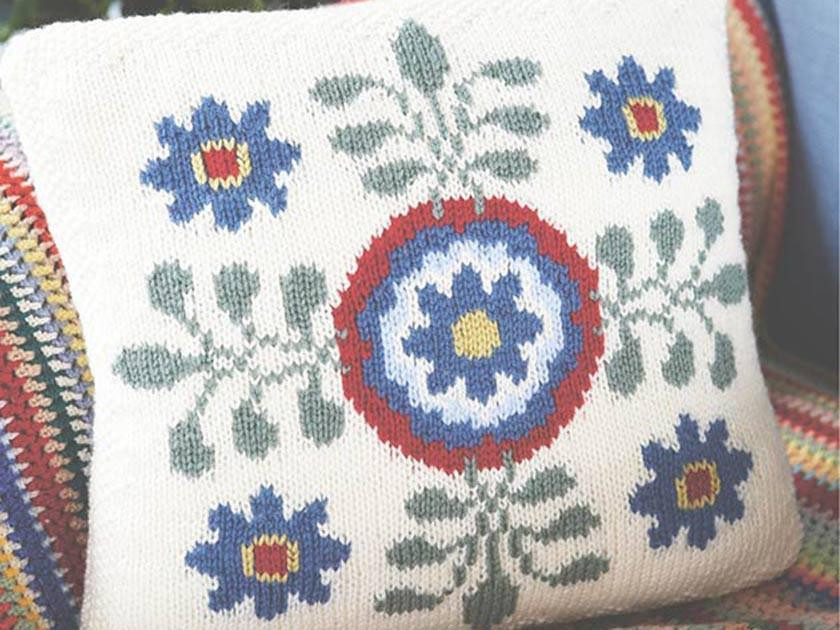

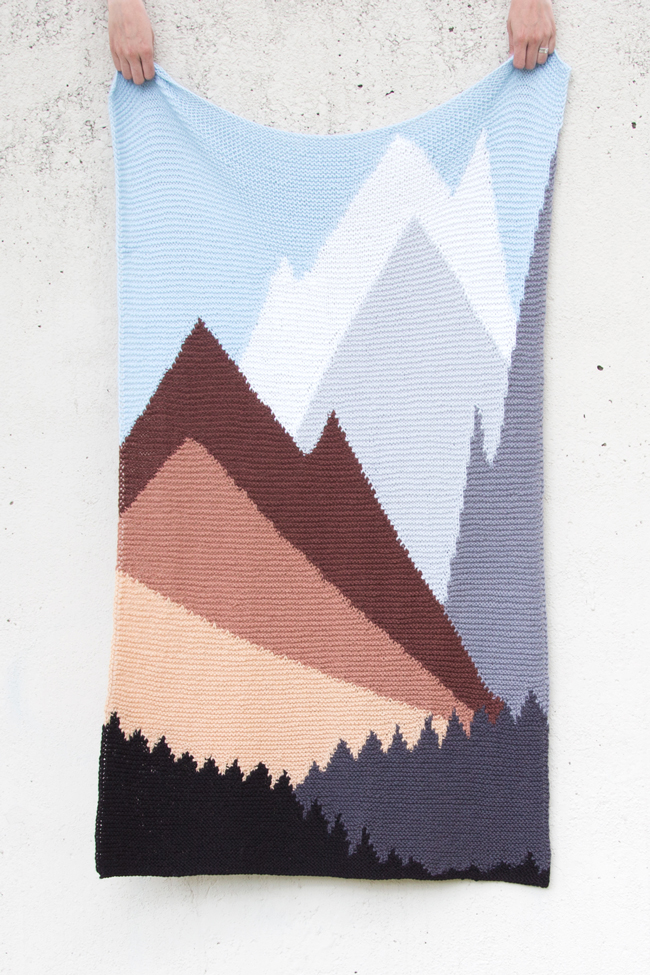
Images above are some examples of intarsia knitting method.

 Corene Ang