
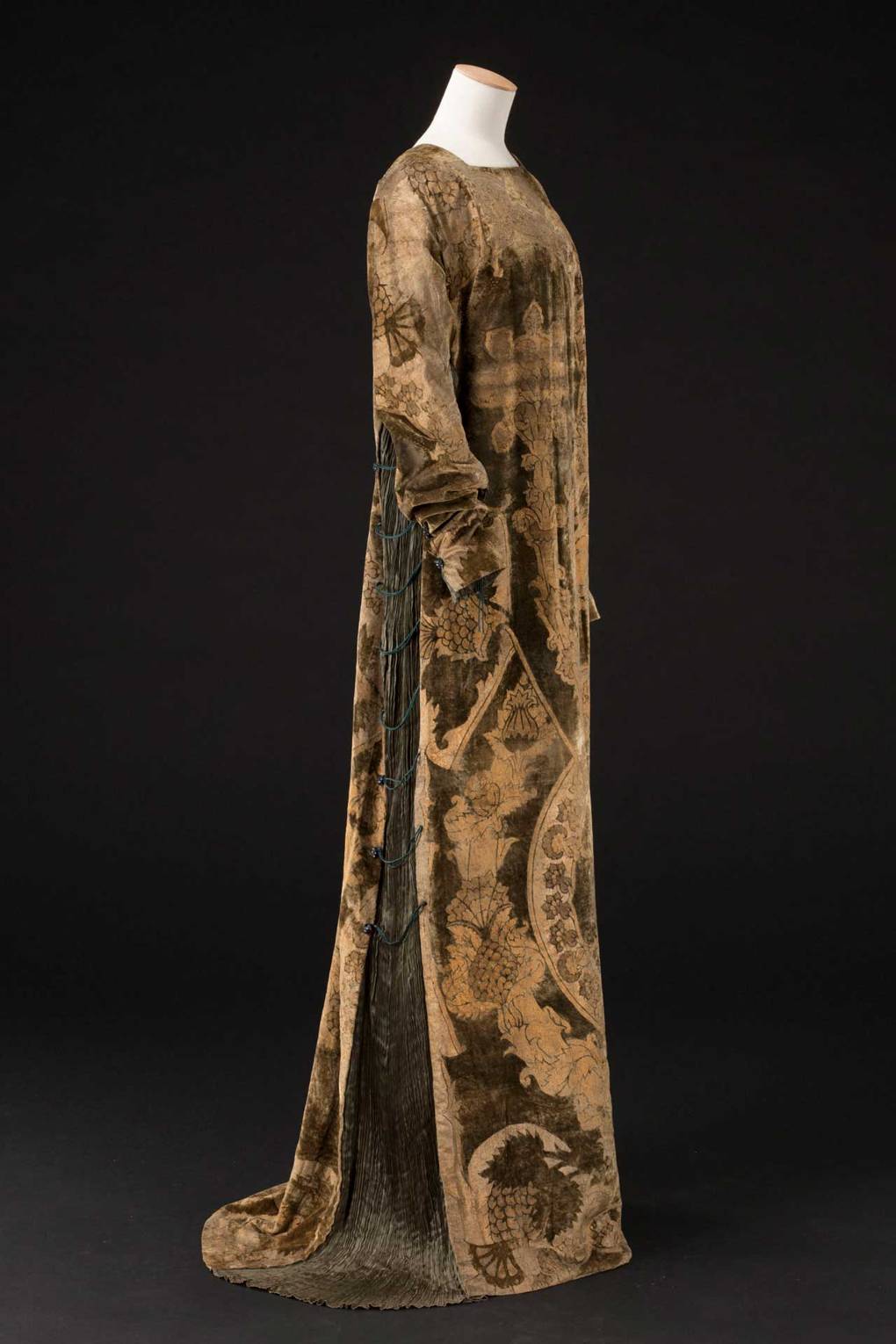
Mariano Fortuny had left an immensely significant impact in the fashion world especially in the Art Nouveau movement, even though he did not consider himself as a fashion designer. He was an inventor that held more than 20 patents, photographer, painter (an example of his painting as shown above, really impressive work), printed on textiles and fabrics, he also explored various artistic mediums like stage design as well. Growing up in an artistic family with exposure to incredible fabrics and textiles greatly influenced his artistic eye. His father is also a famous painter. One of his most famous works include the Delphos dress and the Knossos scarf. Mariano Fortuny had inspirations from Greek drapery and medieval influences.

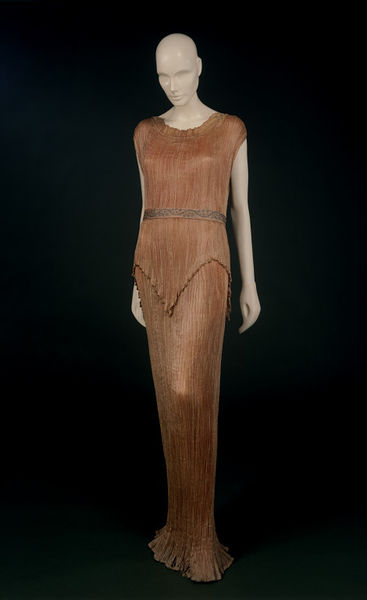
The Delphos dress is one of Fortuny’s biggest achievement because it brought how women wear dresses to modern times, removing the corset and freeing the body. Even until today, many designers were inspired by his pleats and the original dress is still worn by people as well.
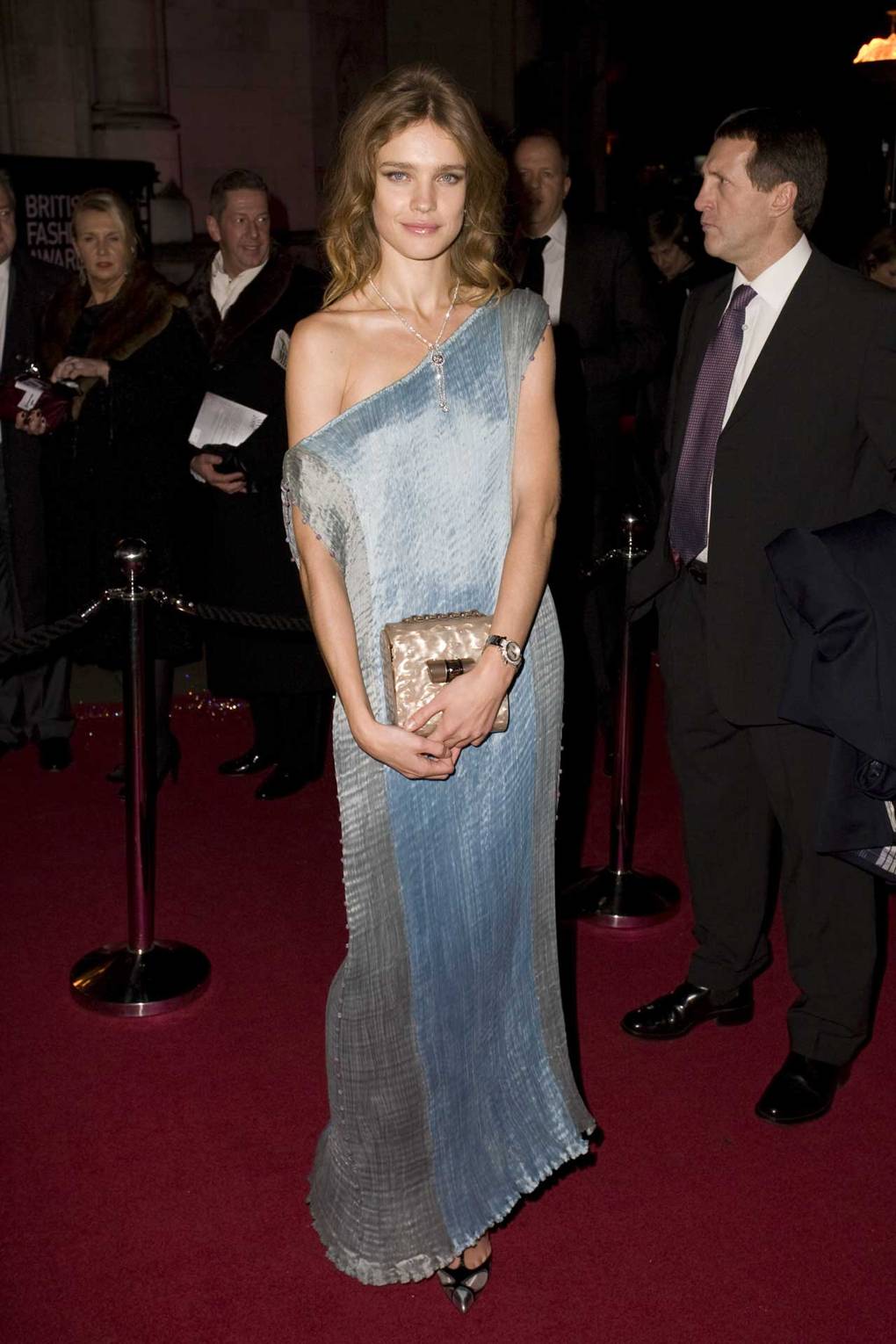
It looks absolutely sophisticated and fragile, undulating with colours perfectly to the ground and clinging on to the contours of the body which also elongates the body of the wearer. The pleating method involved heat, pressure, and ceramic rods but it was a carefully guarded secret that has never been recreated. The venetian glass beads on the Delphos dress not only served as a decoration, it added weight to the lightweight fabric made out of the finest silk, weighing the dress down so that it could drape elegantly closer to the body. The pleats on the dress and the glass beads were the only patterns on the dress as the main idea of this dress was to emphasize the body structure of the wearer as it would flow beautifully on the body. The remarkable colours that was immersed in dyes were inspired by the moonlight or of the Venetian lagoon’s reflections of waters.
Fortuny’s Delphos dress that was first made in 1907. Back in the twentieth century, women’s fashion still involved corset to shrink their waistline and the popular thing was the s-bend silhouette, dresses with puffed sleeves, frilly blouses and ornamentations on women’s clothing such as laced collars and ribbon ties.The Delphos dress was originally designed to be worn at home as it was designed without a corset.


Mariano Fortuny’s aim was to rebel against the style that were more acceptable and fashionable in his time period. When more venturous women like Isadora Duncan started to wear it outside of their homes, popularity had risen and over time more women followed the trend. The image above shows Isadora Duncan and her daughter wearing the Delphos dress. This was a tremendous change as compared to the corset, freeing the women’s body and accentuating their curves. It soon became conventional for women to wear the Delphos dress near the 1920s and much more variations were created.

Valentino also had a collection inspired by Mariano Fortuny. The images shown below are from Valentino Spring/Summer 2016 couture collection.
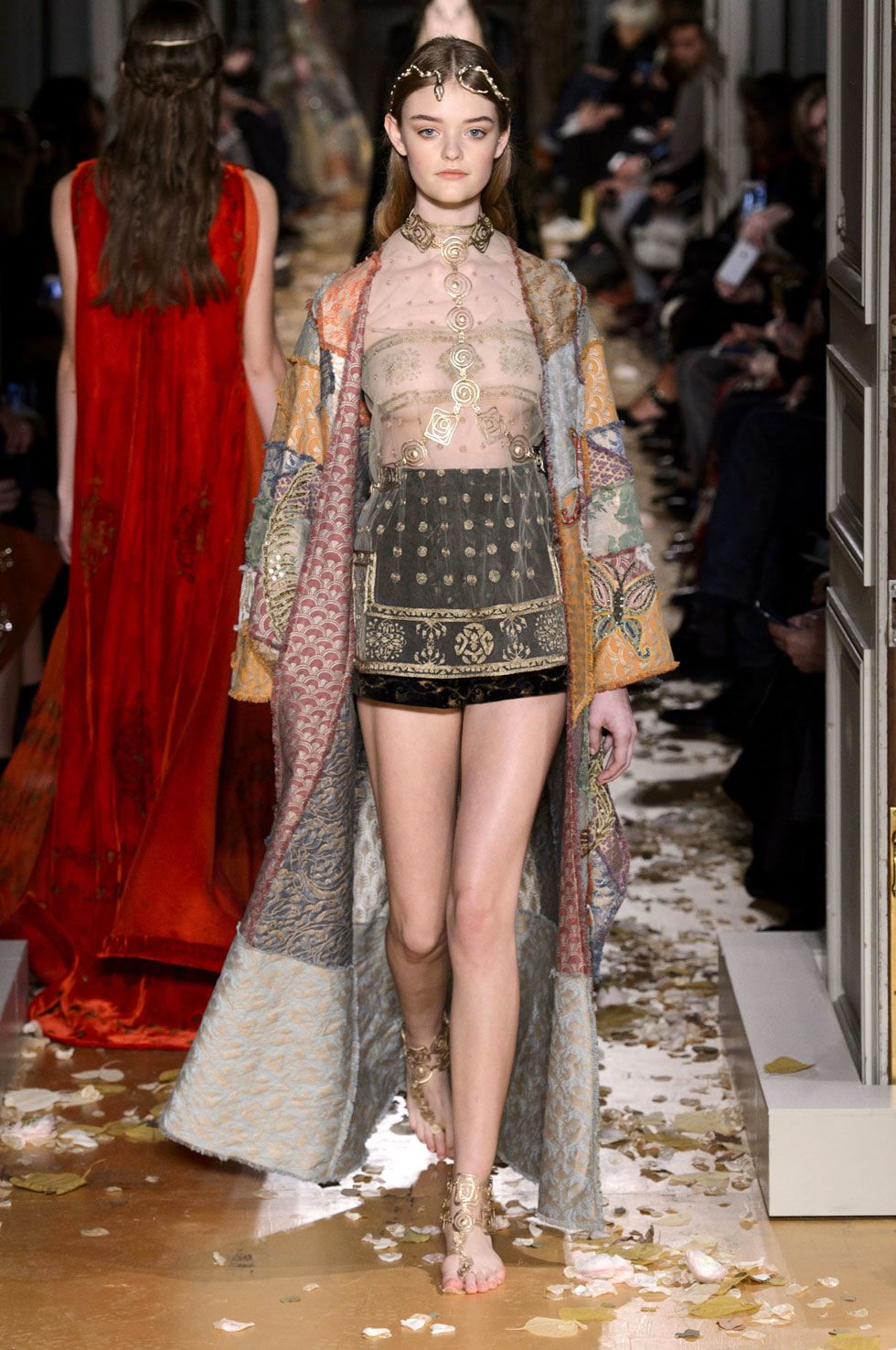
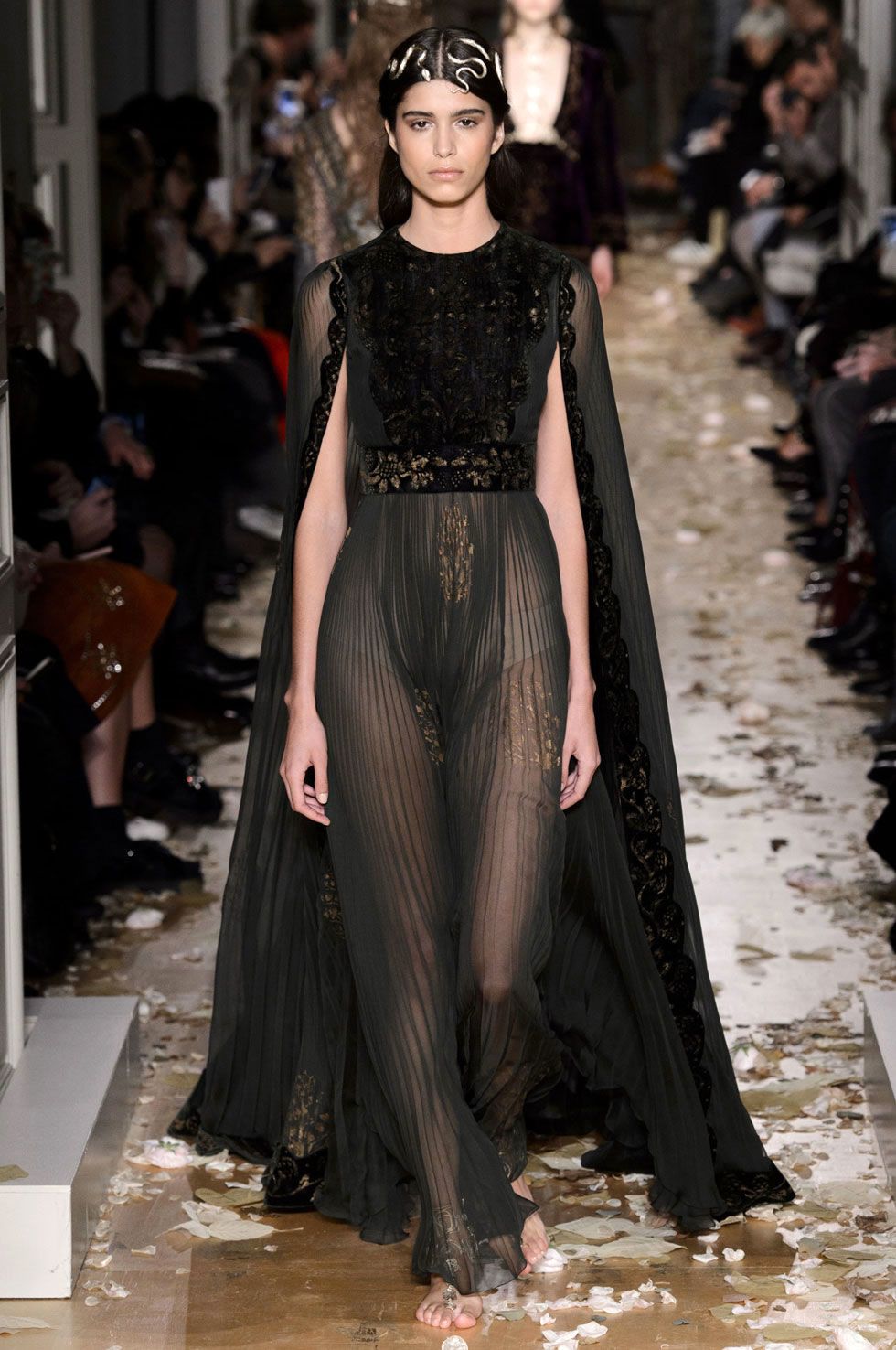
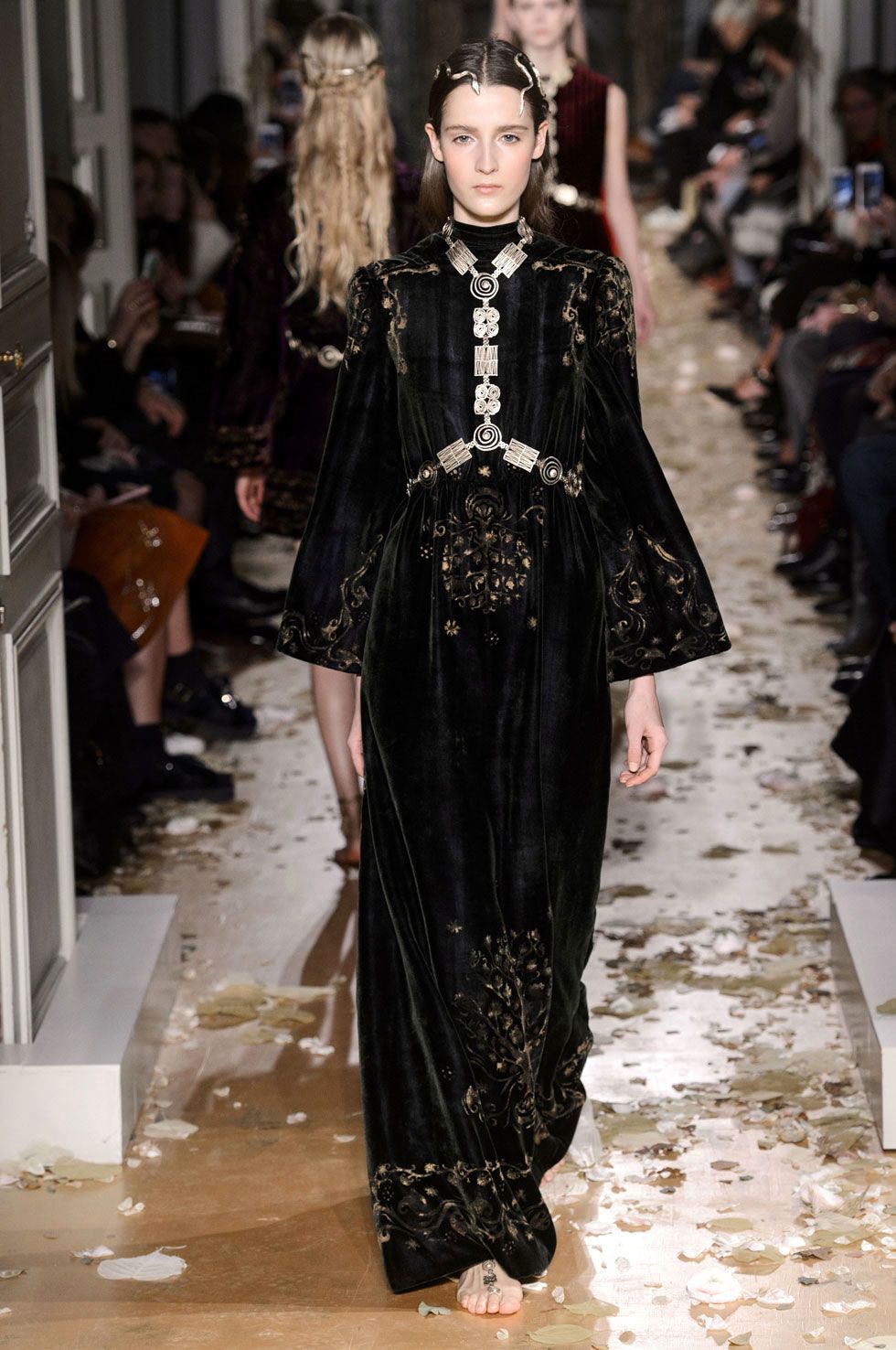
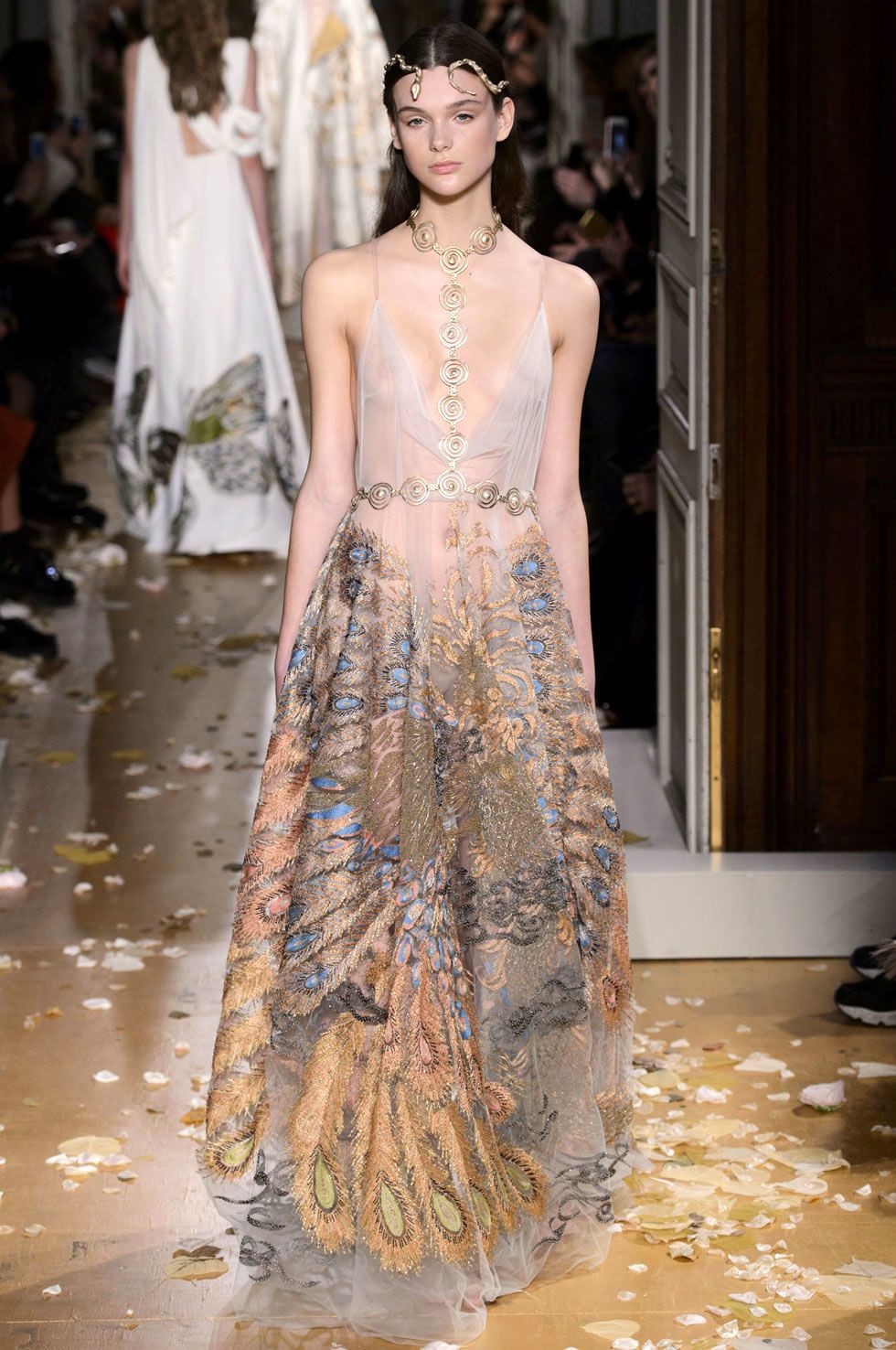


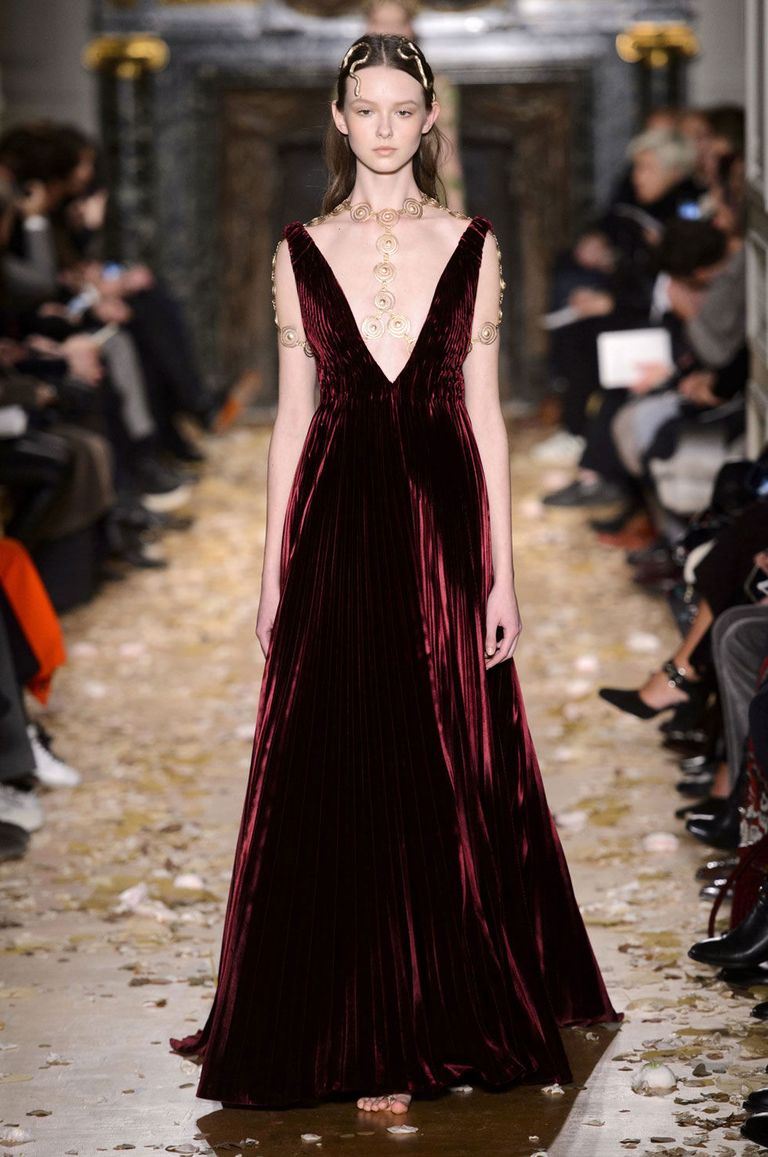
This collection is so beautifully put together, showing the characteristics of Mariano Fortuny’s works. It can be observed that Valentino used plenty of pleats on the dresses in different variations, as well as the textile design patterns.
I feel that Mariano Fortuny’s work could be adapted greatly to my own work in terms of the experimentations and the hunger to create and breaking convention. I could use Valentino’s collection as an example to experiment with the elements of the things that I am interested in and make it my own. Putting different textiles together seem to work really well and reflects the creativity and thoughts that were put on the garments.
references
Delphos Dress and Belt . (2019). Retrieved from VAM: https://collections.vam.ac.uk/item/O88649/delphos-dress-and-belt-fortuny-mariano/
elle.com. (2016). Valentino Spring Summer 2016. Retrieved from Elle: https://www.elle.com/runway/spring-2016-couture/g27607/all-the-looks-from-the-valentino-spring-summer-2016-haute-couture-show/?slide=4
Today, F. A. (2019). Fortuny: Friends and Followers. Retrieved from Fine Art Connoisseur: https://fineartconnoisseur.com/2019/05/fortuny-friends-and-followers/
Mariano Fortuny. (2011). Retrieved from FIDM Museum: https://blog.fidmmuseum.org/museum/2011/01/mariano-fortuny.html
Menkes, S. (2017).Fortuny: From Invention to Eternity. Retrieved from Vogue: https://www.vogue.co.uk/article/suzy-menkes-palais-galliera-olivier-saillard-fortuny-from-invention-to-eternity

 Corene Ang